Kevin Parker Finally Bites the Mainstream: How "Dracula" Became Tame Impala's Biggest Moment Yet
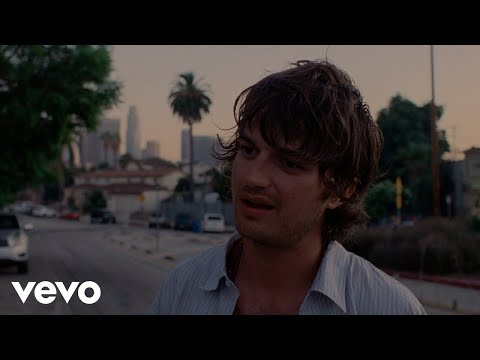
Video: Tame Impala - Dracula (Official Video) · tameimpalaVEVO
Ambo Fam, let's talk about the strangest plot twist of the past year: Kevin Parker, the perpetually sun-averse psychedelic pop auteur from Fremantle, finally cracked the big leagues. And he did it with a song about a vampire who would rather stay at the party than face the morning.
"Dracula," the third single from Tame Impala's fifth album *Deadbeat*, arrived on 26 September 2025 as a slick disco and electropop cut about, in the words of its own lore, finding solace in darkness. It got a polarised reception from critics, who loved the groove but side-eyed the lyrics. And then something unexpected happened: a remix with BLACKPINK's Jennie dropped in February 2026, the song went viral on short-form video apps, and suddenly the guy who spent fifteen years as critics' favourite cult hero was sitting near the top of the global charts. Per [Wikipedia][1], the remix became Tame Impala's first and Jennie's fifth top-ten entry on the global 200-style ranking, hitting number two worldwide and number five in the US, while topping charts everywhere from Germany to Switzerland to the UAE.
For an artist who built a career on hazy, interior-facing psych pop, that is a genuinely wild turn of events. Let's dig in.
The Song That Refuses to See Sunrise
So what is "Dracula" actually about? On paper, it's a love song wearing a cape. Parker sings about the morning light turning blue, about shadows keeping him "pretty like a movie star," about never wanting to be seen in the light of day. The vampire metaphor is doing a lot of work here: daylight is responsibility, adulthood, the moment the magic ends. Night is where the heart wants to stay.
The lyric that has become the song's unofficial thesis is the chorus plea: "In the end, I hope it's you and me / In the darkness, I would never leave you." It's romantic in the most Tame Impala way possible, which is to say it's romantic and also a little bit panicked. There's even a genuinely funny moment where Parker's friends apparently tell him to shut up and get in the car, a line so disarmingly self-aware it almost feels like a sketch of the man behind the myth.
The team over at [Genius][2] reads the track as being about love and escapism in equal measure, arguing that the sun symbolises the end of the good times and that the song captures the pull of detaching from your cares to hold on to the present moment. That reading tracks. This isn't a song about wanting to be a monster. It's a song about wanting the party, the moment, the person, to last forever, and knowing it can't.
Parker's Most Expressive Vocal in Years
Critically, "Dracula" landed somewhere between admiration and exasperation, and honestly, that tension is what makes it interesting. Ashley Littlefield, reviewing the track for [Atwood Magazine][3], framed it as Parker "embracing the darkness behind the glamour as he navigates the complexities of everyday life with cinematic flair." The review praised the falsetto work, the sustained keys, the ominous coos that greet you like first light, and the way the whole thing feels suspended in the transition between night and day.
I'd go further. "Dracula" is Parker's most expressive vocal performance of the entire *Deadbeat* rollout. Where "End of Summer" and "Loser" sketched the album's framework, "Dracula" is where the record's emotional thesis snaps into focus. The disco bounce is deceptively cheerful, the production is immaculate as always (recorded between Parker's home studio in Fremantle and Wave House in Injidup, and co-written with hitmaker Sarah Aarons), but underneath it all there's that signature Parker anxiety: the fear that connection won't survive daylight.
The critics who dunked on the lyrics have a point about the Pablo Escobar name-check being a bit silly. But silliness has always been part of the Tame Impala charm. "Mr. Charisma" is a joke Parker is in on, and the joke is the point.
The Video: A Love Letter to Bush Doofs
The official video, directed by Julian Klincewicz and streaming on the band's VEVO channel ([watch it here][4]), is arguably the key to the whole song. It's a visual homage to Western Australia's rave and bush doof culture, those legendary outdoor dance parties held in the middle of nowhere where the night genuinely does feel like it could last forever.
If you know anything about Parker's origins, this lands hard. Before Tame Impala was a festival-headlining, border-crossing phenomenon, it was a kid in Perth making loop-based music in a bedroom, dreaming of the parties happening out in the scrub. The "Dracula" video closes that loop. The song about never wanting the night to end is set in the exact cultural landscape where Parker first learned what a night that never ends feels like. The clip even picked up a nomination for the Audience Choice Award for Favourite Australian Music Video at the AACTA Awards, which tells you the visual struck a chord back home.
It's a rare thing for a mainstream pop video to be this specifically, locally rooted. This isn't a generic warehouse rave. It's the bush. It's WA. It's home.
The Remix That Changed Everything
Here's where the story gets genuinely historic. "Dracula" in its original form already gave Tame Impala its first-ever entry on the US Hot 100, debuting in late 2025 and later climbing to a new peak in the top 30, according to chart data compiled by [Genius][2]. For an act fifteen years into its career, that alone was a milestone.
But the Jennie remix, released 6 February 2026, turned a strong single into a global phenomenon. The collaboration spawned a viral trend on TikTok, sent the song to number two on the global charts, and triggered a surge that carried "Dracula" to new peaks worldwide: number one in Belgium (Wallonia), Germany, MENA, Switzerland and the UAE, plus top-ten finishes in Australia, the UK, Canada, France, Ireland, New Zealand and a long list of others, as documented on [Wikipedia][1].
And honestly, the pairing makes perfect sense. Jennie's cool, clipped delivery is the ideal foil for Parker's breathy falsetto. She brings the glossy confidence, he brings the anxious shimmer, and together they make the song's central tension (stay in the dark with the one you love versus face the daylight alone) feel like an actual conversation rather than an internal monologue.
Why This Moment Matters
There's something a little poetic about the fact that Tame Impala's long-awaited commercial breakthrough came via a song about hiding from the sun. Parker has always been an artist of interiors, of 3am spirals and self-doubt dressed up in gorgeous sonics. "Dracula" takes that instinct and makes it literal: the vampire as the ultimate introvert, the night as the safe space, love as the thing that only exists away from daylight.
That this became a worldwide smash, boosted by a K-pop superstar and a video-app trend, says something hopeful about pop audiences. People didn't just tolerate a melancholy disco song about fearing the morning. They put it at number two on the planet.
The polarised critical response was probably inevitable. A song this catchy and this weird was always going to split the room. But history tends to side with the songs that take risks, and "Dracula" took several: a horror-movie conceit, a joke about being told to get in the car, a disco groove built for the bush rather than the boardroom.
Where Parker goes from here is anyone's guess. But one thing is certain: after years of lurking in the shadows, Tame Impala finally stepped into the light, and the light turned out to be very, very bright. Somewhere, a fictional count is proud.
Until next time, Ambo Fam, keep running from the sun.
Sources